
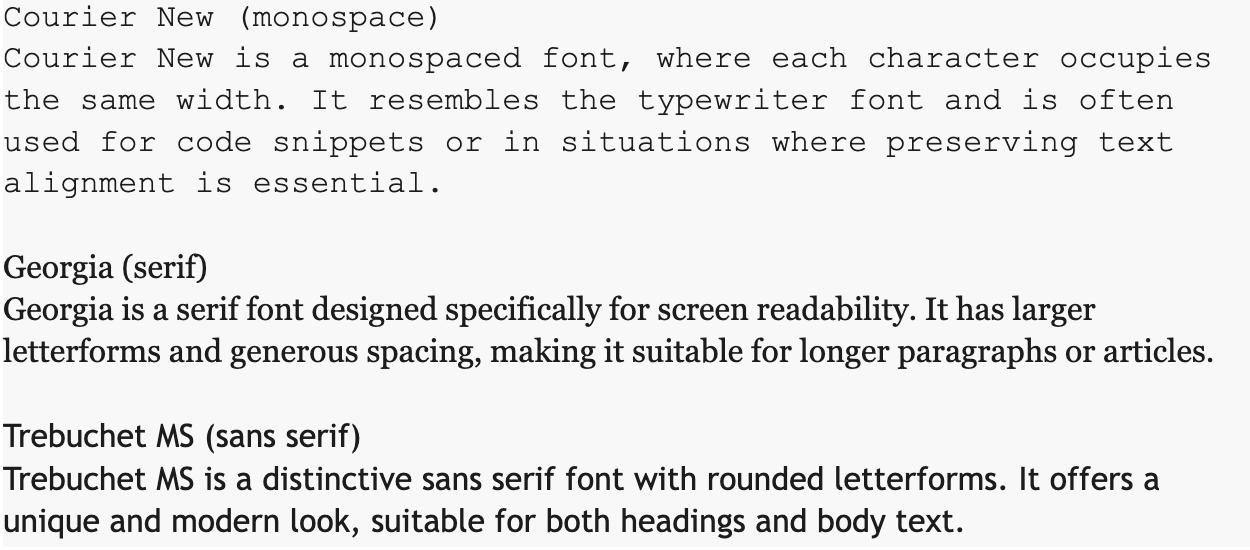
- Arial (sans-serif)
- Verdana (sans-serif)
- Tahoma (sans-serif)
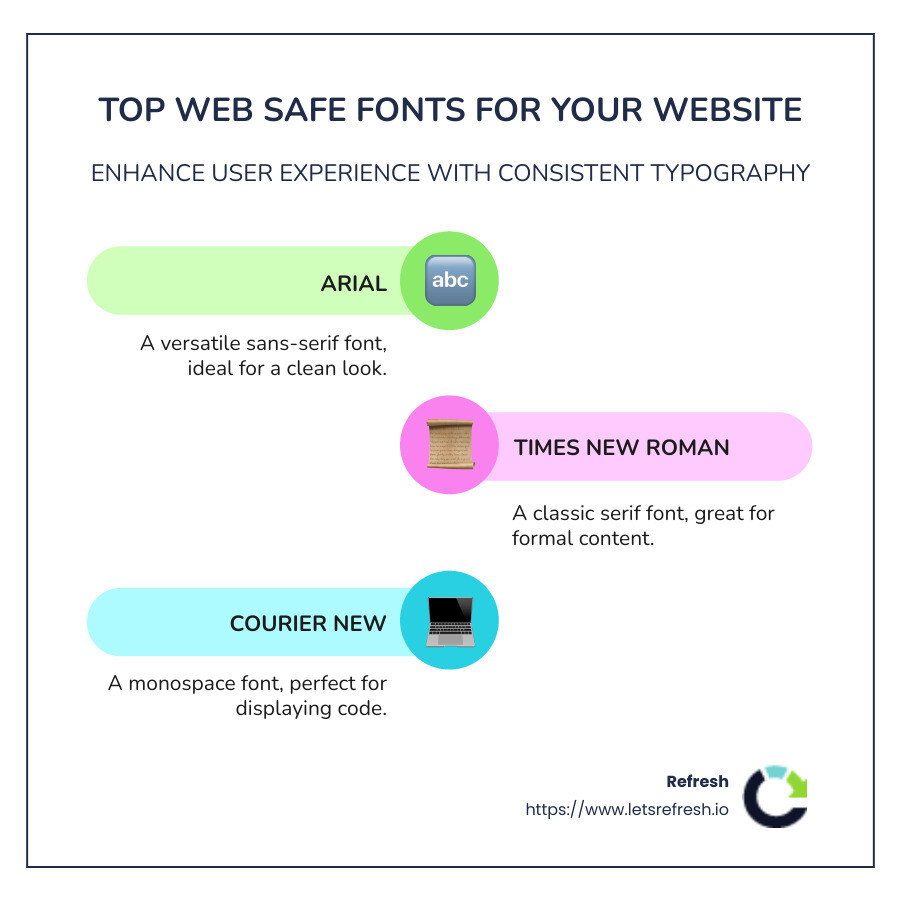
- Times New Roman (serif)
- Courier New (monospace)
Choosing the right fonts is crucial. They are the silent workers behind a smooth, accessible online experience. Imagine crafting an engaging website only to have its typography crumble for some users due to poor font choices. That's an oversight you cannot afford.
As Alexander Palmiere, founder and CEO of Refresh, I bring a wealth of experience in guiding businesses to make informed digital decisions, including leveraging the web safe font list. With over 200 successful website launches under our belt, our team at Refresh is ready to ensure your digital presence is as strong as possible.
What Are Web Safe Fonts?
Web safe fonts are the unsung heroes of web design. They ensure that your website's text looks just right, no matter who views it or where. Universal accessibility is their main superpower. These fonts are pre-installed on most devices and operating systems. This means they show up correctly on any browser without needing extra downloads.
Why Pre-Installed Fonts Matter
Imagine visiting a website and seeing strange, unreadable text. That's what happens when a font isn't pre-installed. Web safe fonts, like Arial and Times New Roman, are already on most devices. They prevent this problem by being ready to display correctly the moment someone lands on your page.

Consistent Display Across Platforms
Consistency is key in web design. Web safe fonts help you achieve this by looking the same on different browsers and devices. Whether someone is using the latest smartphone or an old desktop, these fonts ensure your text maintains its intended style and readability.
Here's a quick look at some popular web safe fonts:
FontTypeArialSans-serifVerdanaSans-serifTimes New RomanSerifCourier NewMonospace
The Impact on User Experience
When your website's text is clear and consistent, it improves the user experience. Visitors can focus on your content without being distracted by unexpected font changes or display issues. This seamless experience keeps them engaged and more likely to return.
Web safe fonts are a small detail with a big impact. They ensure your site's typography is always on point, regardless of the viewer's device or browser. In the next section, we'll dive deeper into the types of web safe fonts and how they can fit into your design strategy.
Web Safe Font List: Top Choices for Your Website
Choosing the right font for your website is crucial. It impacts readability, aesthetics, and brand perception. Here's a web safe font list featuring some of the most reliable and widely used fonts. These fonts are pre-installed on most devices, ensuring consistent display across different platforms.
Times New Roman
Times New Roman is a classic serif font. It's known for its professional and traditional look. Originally designed for The Times newspaper, it's now a staple in legal, educational, and corporate websites. Its high legibility and universal availability make it a safe choice for formal content.
Arial
Arial is the go-to sans-serif font for many. Its clean and modern appearance makes it versatile for various web applications. Arial is widely used in both online and printed media, and it’s available on all major operating systems. This makes it a reliable choice for maintaining a professional yet approachable look.
Georgia
Georgia is a serif font designed for clarity on digital screens. Its heavier weight makes it readable even at smaller sizes, which is perfect for mobile-responsive design. Georgia is frequently used in content-rich websites like blogs and news sites, where readability is crucial.
Verdana
Verdana is another popular sans-serif font. It was designed for screen readability, with wider spacing and larger letters. This makes it ideal for websites that require small font sizes. It's a great choice for user interfaces and sites focusing on accessibility.
Courier New
Courier New is the most recognized monospace font. Its uniform spacing makes it perfect for coding displays and tabular data. Often used in screenplays and email formats, Courier New adds a touch of simplicity and technical precision to your site.
These fonts not only ensure your website looks good but also function well across different devices and browsers. In the next section, we'll explore the types of web safe fonts and how they can improve your site's design strategy.
Types of Web Safe Fonts
When it comes to web design, choosing the right type of font is like picking the right tool for a job. Each type of font has its own personality and use case. Let's explore the types of web safe fonts that can help your website shine.
Serif Fonts
Serif fonts are the granddaddies of the font world. They have little lines or strokes called "serifs" at the ends of letters. These fonts, like Times New Roman and Georgia, give off a vibe of tradition and trust. They're perfect for formal settings like legal or educational sites. The serifs guide the eye along the text, making it easier to read in print and on screens.
Sans-Serif Fonts
Sans-serif fonts are the cool, modern cousins of serif fonts. They skip the decorative lines, giving them a clean and straightforward look. Think of fonts like Arial and Verdana. These fonts work great for digital content because they're easy to read on screens of all sizes. They're versatile and are often used for body text, headings, and user interfaces.
Monospace Fonts
Monospace fonts are all about consistency. Each character takes up the same amount of space, making them perfect for coding and data displays. Courier New is a popular choice here. These fonts are great for showing code snippets or anything that needs to line up neatly. They bring a touch of simplicity and order to your design.
Cursive Fonts
Cursive fonts add a bit of flair and personality. They mimic handwriting, which can make your website feel more personal and inviting. Brush Script MT and Bradley Hand are examples of cursive fonts that can bring elegance and warmth to your design. Use them sparingly for headings or special sections to avoid overwhelming your audience.
Fantasy Fonts
Fantasy fonts are the wildcards. They're decorative and playful, perfect for grabbing attention. Fonts like Impact and Papyrus fall into this category. While they can add uniqueness to your site, they should be used with caution. Too much fantasy can make text hard to read, so reserve these fonts for titles or logos.
Understanding these font types and their characteristics can help you make informed decisions about your website's typography. In the next section, we'll look at how to implement these fonts on your site using CSS font stacks and fallback options.
How to Implement Web Safe Fonts on Your Website
Implementing web safe fonts on your website is like setting up a safety net. It ensures your text looks good across all browsers and devices. Here's how to do it right.
Using CSS Font Stacks
A CSS font stack is a list of fonts in your CSS code. It tells the browser which fonts to use, starting with your first choice. If that font isn't available, the browser moves to the next one on the list.
Here's an example for body text:
cssbody { font-family: "Arial", "Helvetica", sans-serif;}
In this stack, the browser tries to load Arial first. If it's not available, it tries Helvetica. If neither is available, it defaults to any sans-serif font.
The Role of Fallback Fonts
Fallback fonts are your backup plan. They kick in if your chosen font isn't available on a user's device. This ensures your site stays readable and attractive, no matter what.
For instance, if you're using a custom font like Montserrat, you might set a fallback like this:
cssp { font-family: "Montserrat", "Arial", sans-serif;}
Here, Arial and a generic sans-serif font act as fallbacks. This way, your text remains consistent even if Montserrat isn't available.
Ensuring Browser Compatibility
Different browsers can render fonts in slightly different ways. So, it's crucial to test your site across popular browsers like Chrome, Firefox, Safari, and Edge.
Here's a simple checklist to ensure compatibility:
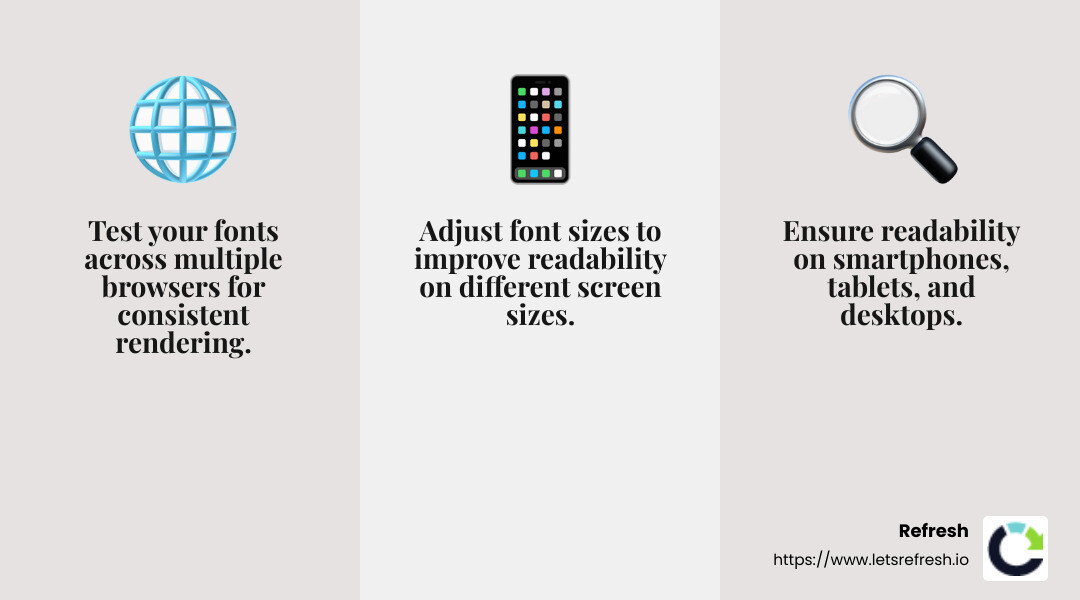
- Test on Multiple Browsers: Open your website on different browsers to see how the fonts look.
- Check Different Devices: Use a smartphone, tablet, and desktop to test font rendering.
- Adjust Font Sizes: Make sure text is readable on all screen sizes. A common size for body text is 16px.
By using CSS font stacks, setting up fallback fonts, and ensuring browser compatibility, you can create a seamless and visually appealing experience for your users.
Next, we'll tackle some frequently asked questions about web safe fonts to clear up any lingering doubts.
Frequently Asked Questions about Web Safe Fonts
Which are web safe fonts?
Web safe fonts are like the dependable friends of typography. They are pre-installed on most devices, ensuring your website looks the same no matter where it's viewed. Some of the most popular web safe fonts include:
- Arial: A sans-serif font known for its clean and modern look. It's widely used and available on all major operating systems.
- Verdana: Another sans-serif option, Verdana is prized for its readability, even in smaller sizes.
- Helvetica: Often seen as a classic, Helvetica is used extensively in design and branding. It's similar to Arial and is a great choice for a sleek look.
- Georgia: A serif font that offers elegance and readability. It works well for both headlines and body text.
- Courier New: A monospace font reminiscent of typewriter text. It's often used for coding displays and scripts.
How do you know if a font is web safe?
To determine if a font is web safe, consider these key factors:
- Pre-installed: Check if the font is pre-installed on most operating systems. This ensures it will display correctly without needing additional downloads.
- Legibility: Look for fonts that are easy to read at various sizes. Fonts like Arial and Georgia are designed for clear readability.
- Accessibility: Ensure the font is accessible to all users, including those with visual impairments. Fonts that are too decorative may hinder readability.
Are web safe fonts still necessary?
Yes, web safe fonts are still crucial, even with today's advanced web technologies. Here's why:
- User Experience: Consistency in font display improves user experience. If a custom font fails to load, a web safe font ensures the text remains readable.
- Browser Compatibility: Not all users have the latest browsers. Web safe fonts guarantee that your site looks good across different browsers and versions.
- Fallback: Web safe fonts act as a reliable fallback. If a custom font doesn't load, these fonts prevent your text from defaulting to an unattractive or unreadable typeface.
By sticking to web safe fonts, you maintain a polished and professional look, ensuring your site's message is delivered effectively.
Conclusion
In digital marketing, first impressions are everything. Fonts play a crucial role in how your audience perceives your brand. At Refresh, we understand the importance of maintaining a consistent and professional appearance across all platforms.
Web safe fonts ensure your website looks great, no matter the device or browser. They are the unsung heroes of web design, providing a reliable fallback when custom fonts fail to load. This consistency improves the user experience and keeps your brand message clear and accessible.
Our team at Refresh is committed to helping small and medium-sized businesses succeed online. As experts in Webflow support, we ensure your website not only looks good but also performs well. Whether it's through strategic SEO, effective branding, or seamless social media management, we're here to support your digital journey.
Choosing the right fonts is just one part of the puzzle. With our comprehensive digital marketing services, we help you open up the full potential of your web presence. Let's make your website not just a place to visit, but an experience to remember.
Ready to refresh your digital strategy? Contact us today to learn how we can drive results for your business.


.avif)